CPT Code 99284 Explained: ED Level 4 Criteria and Billing
CPT code 99284 billing gaps cost practices daily. See how automated E&M coding gives billing teams cleaner claims and more reimbursement.


Level 4 ED claims don't fail because coders pick the wrong code. They fail because the documentation never captured the clinical reasoning that earned it. Here is where the revenue actually leaks.
CPT 99284 is the Level 4 emergency department evaluation and management code, assigned to visits involving high-severity problems that require urgent evaluation but do not pose an immediate threat to life or physiologic function. The common assumption among practice administrators and billing decision-makers is that revenue losses on 99284 claims stem from inconsistent coder application of MDM criteria, and that the fix is more coder training or tighter audit cycles. In reality, the problem runs deeper than that.
FindACode's 2024 code reference defines it as the appropriate code for this presentation, with code selection resting entirely on medical decision making (MDM) complexity. As ACEP Now confirms, MDM is the primary determining factor for selecting the correct ED E/M level, and that same figure requires moderate complexity MDM. The code applies to both new and established patients, with no distinction made between the two, a meaningful difference from office-based E/M coding where that distinction carries real weight.
"I was billed CPT code 99284 (Level 4 emergency) despite receiving no testing, imaging, or blood work during my ER visit, which left me confused and distrustful of the billing process."
— what we hear from medical billing departments

That single criterion matters enormously in practice. A patient presenting with a moderate-to-severe asthma exacerbation requiring nebulizer treatment and observation may clearly qualify on clinical grounds, yet the code fails scrutiny when the chart does not reflect the MDM complexity that justified it. The clinical encounter and the documented encounter are two different things, and only the documented one gets paid.
The clinical encounter and the documented encounter are two different things, and only the documented one gets paid. Level 4 visits are not an edge case.
ACEP Now identifies that same figure as one of the highest-volume ED billing codes and a significant driver of emergency department revenue. Across the tens of millions of annual ED visits in the United States, a systematic documentation gap on this single code erodes more revenue per shift than any other ED E/M level. A substantial share of E/M visits are not coded correctly, leaving many encounters subject to undercoding, overcoding, or denial exposure, a quiet, shift-by-shift loss that accumulates into a material gap over months.
The code only pays when the clinical encounter that earned it is documented with enough specificity to survive scrutiny. The next section maps the exact patient presentations where that same figure is the correct call, and shows how a single documentation choice at triage can shift the same chief complaint between Level 3 and Level 4.
Key takeaways
- CPT 99284 is the Level 4 ED E&M code for high-severity presentations that demand urgent evaluation, but the chief complaint alone never determines the code level; documented clinical reasoning and data interpretation do.
- Industry data shows only ~55% of E&M visits are coded correctly, meaning the revenue problem on 99284 claims is more often silent undercoding than outright denial.
- Roughly 1 in 5 defensible 99284 claims gets denied or downcoded before it generates a dollar, and most of those losses trace back to thin MDM documentation, not coder error.
- The financial gap between 99283, 99284, and 99285 looks small per claim; spread across 800 Level 4-equivalent visits a month, it becomes a six-figure annual shortfall that never triggers a single denial flag.
- What actually deposits into a practice account after a 99284 claim depends on geographic locality, facility versus professional billing, payer contract multipliers, and patient cost-sharing, most billing teams never audit all four together.
- The real capture problem happens in the exam room, not the billing queue; by the time a coder opens the chart, the documentation either supports 99284 or it doesn't.
- iScribe Health's Automated E&M Coding reads clinical documentation in real time and generates the appropriate E&M code before the chart leaves the ED, closing the gap at the point where revenue is actually won or lost.
Common Clinical Scenarios That Justify Billing 99284
Common clinical scenarios for that same figure involve moderate-to-high-severity presentations that require urgent evaluation, ordered diagnostic workup, and documented independent interpretation of results. The chief complaint alone does not determine the code level; what the provider documents about their reasoning and data review does.
1. Moderate-to-Severe Asthma Exacerbation Requiring Bronchodilators and Monitoring
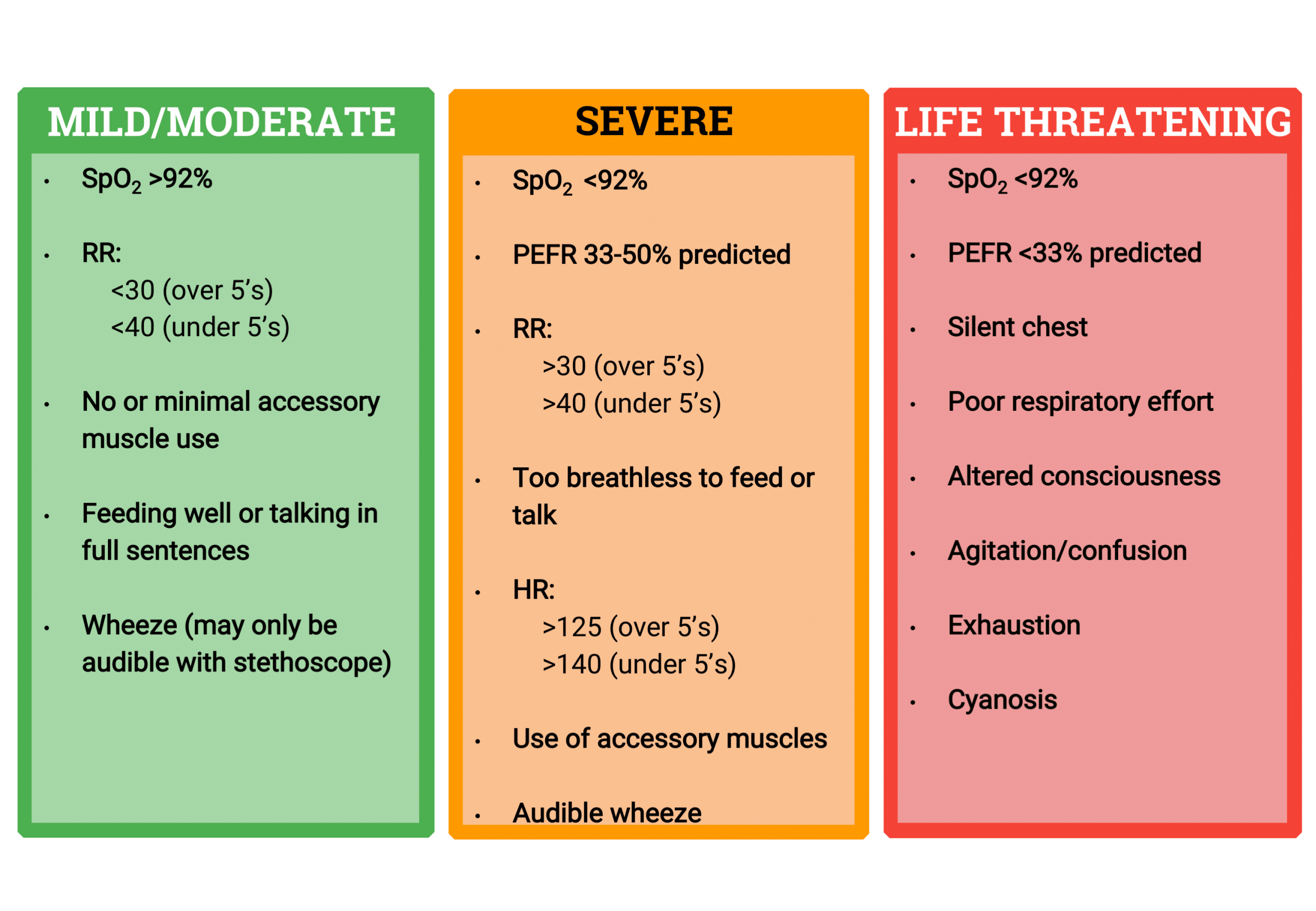
A moderate-to-severe asthma exacerbation treated with IV magnesium sulfate or requiring extended nebulization and serial peak-flow monitoring satisfies that same figure criteria because IV medication management carries documented moderate risk of morbidity under CMS MDM guidelines, 2023. A mild exacerbation discharged with a single albuterol treatment and no lab review lands at that same figure; same chief complaint, different code, based entirely on what the provider documented about treatment intensity and clinical reasoning.
2. Dehydration Requiring IV Fluid Resuscitation with Lab Workup

Dehydration managed with IV fluid resuscitation, combined with a documented review of a BMP or comprehensive metabolic panel, generates the data complexity that same figure requires. As a general principle, IV fluid resuscitation paired with lab evaluation represents a prototypical moderate-to-high acuity scenario. The same dehydration presentation managed with oral rehydration and no labs reviewed supports only that same figure. The IV order matters, but the documented lab interpretation is what anchors the higher code level.
3. Suspected Fracture with Imaging Workup and Orthopedic Risk Assessment
A suspected long-bone or wrist fracture requiring X-ray or CT, followed by the provider's documented independent interpretation of those images and an assessment of orthopedic management risk, fits the 99284 threshold squarely. The imaging order alone is not sufficient. What separates this from a that same figure is the provider's explicit note about what the imaging showed and what clinical decision followed from it. Without that documented reasoning, coders reviewing the chart have no MDM evidence to defend the higher level.
4. Acute Abdominal Pain Requiring CT Imaging and Comprehensive Lab Panel
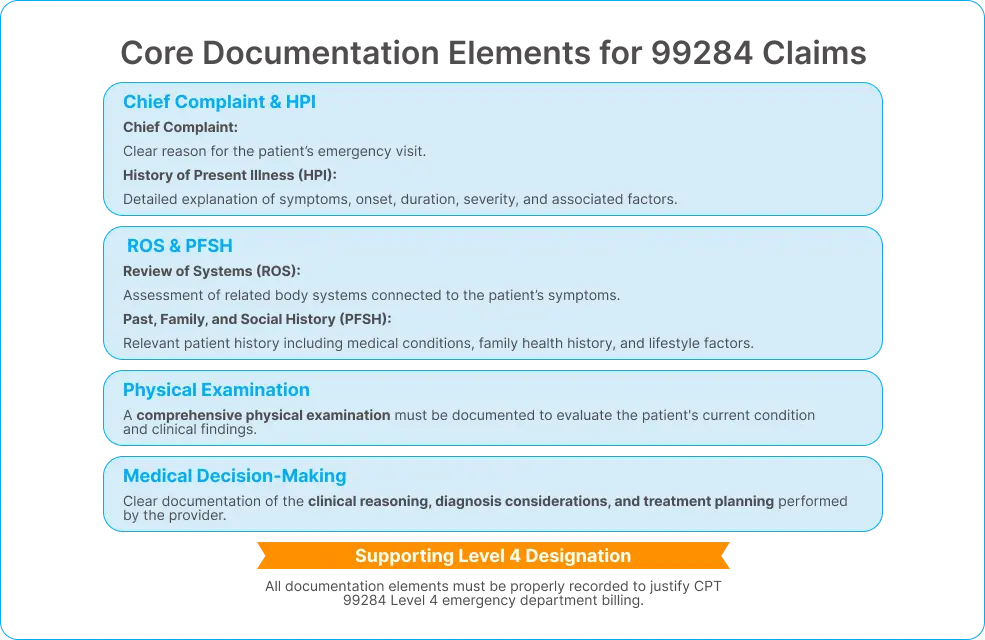
Abdominal pain prompting CT imaging plus a metabolic panel or CBC is one of the most frequently recurring that same figure scenarios in any ED. This combination consistently generates the data complexity the code requires, as evidenced by patterns seen across emergency departments broadly. The documentation failure pattern here is consistent: providers synthesize CT findings and lab values in real time during the encounter, then dictate a note that never explicitly captures their independent interpretation, leaving the MDM evidence invisible to any reviewer who opens the chart.
5. Chest Pain Workup with EKG, Troponin, and Cardiology Risk Stratification
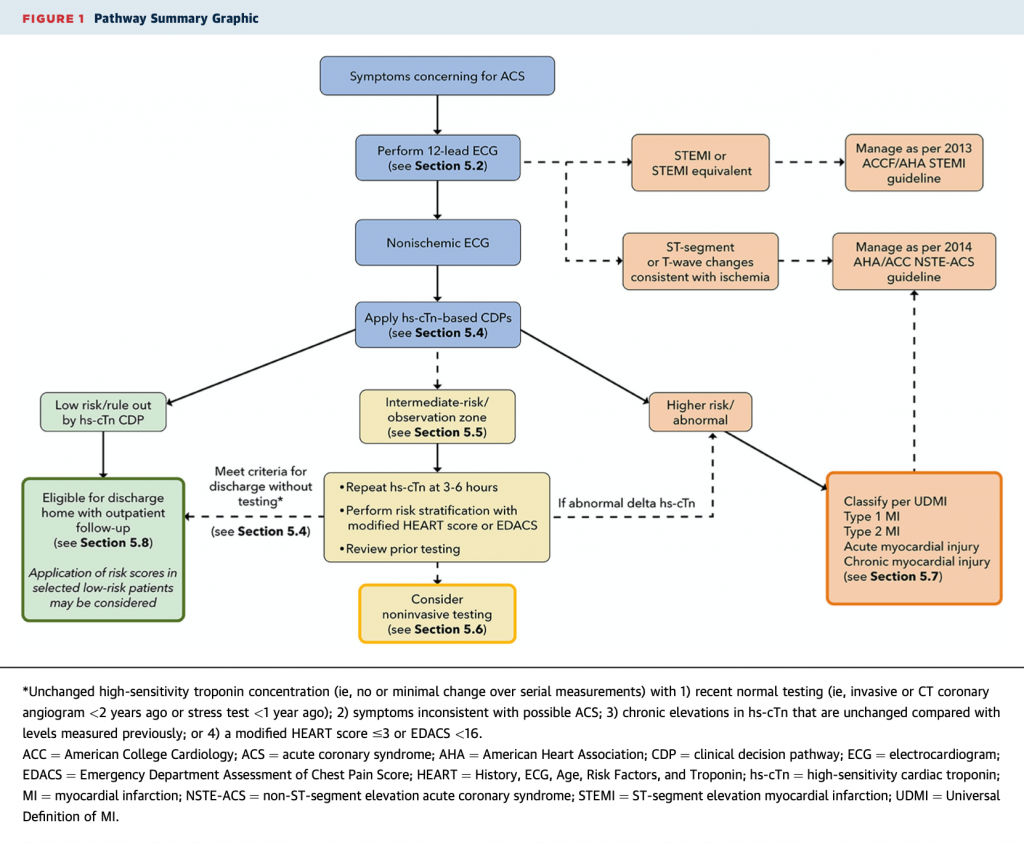
Chest pain requiring serial troponins, provider-interpreted EKG review, and documented cardiovascular risk stratification is among the highest-volume that same figure presentations in emergency medicine. The distinction from a that same figure is whether the note reflects the provider's independent interpretation of each data point. When a provider interprets the EKG, documents the troponin trend, and records their risk stratification reasoning, the encounter supports that same figure. When that cognitive work stays in the provider's head and never enters the record, the documented MDM complexity is absent, and the claim cannot survive payer review at the that same figure level.
MDM Documentation Requirements That Determine Whether 99284 Holds Up to Scrutiny
Roughly 1 in 5 claims gets denied or downcoded before it ever generates revenue, and Alpine Pro Health's 2025 RCM analysis traces most of those losses directly to thin MDM documentation, not coder error.

The Three MDM Pillars 99284 Requires and What Moderate Actually Demands in Writing
According to Alpine Pro Health's billing guidance, those pillars are: the number and complexity of problems addressed, the amount and complexity of data reviewed and analyzed, and the risk of complications or morbidity from patient management decisions.
For the risk pillar, the AMA's MDM table requires documented evidence of prescription drug management or a minor procedure with identified risk factors.
When the documentation does not make legible what the physician was actually thinking, the differential considered, the data weighed, the management decision justified, the chart cannot demonstrate the complexity that 99284 requires, regardless of how complex the visit actually was. iScribe Health's ambient AI documentation is built specifically to prevent that gap, capturing MDM-relevant clinical reasoning in real time through ambient listening as the encounter unfolds, so the record reflects the physician's actual decision-making before the note is ever finalized.
Why Time-Based Billing Is Off the Table for ED E&M
This is not a gray area. Alpine Pro Health confirms that time-based coding cannot determine ED E&M level; only MDM applies in the emergency department setting. That rule, unchanged under the 2023 AMA guidelines and affirmed by FindACode, removes the fallback option that office-based physicians use when documentation is thin. An ED physician who spent 45 minutes with a complex patient but documented MDM too sparsely cannot recover the code on time grounds.
In high-volume ED environments where clinicians regularly chart two or more hours outside of patient care time, the cognitive cost of producing thorough MDM language on every encounter is unsustainable. Documentation quality degrades precisely when census is highest and the risk of downcoding is greatest. iScribe Health's ambient documentation is designed for that environment: it captures clinical detail continuously during the encounter so that thorough MDM language is available at note completion without requiring the physician to reconstruct reasoning retrospectively from memory.
The Documentation Evidence Payers Actually Look for When They Audit a 99284 Claim
Alpine Pro Health identifies three documentation elements that satisfy the data-complexity pillar: independent interpretation of tests (not merely ordering or acknowledging a result), use of an independent historian, and review of external records. These are details that exist in the room, in the moment, and that disappear if they are not captured then. iScribe Health's ambient AI documentation works at the point of care, capturing MDM-relevant clinical detail in real time so the record reflects what actually happened, before the chart is finalized and before the claim is ever submitted.
The E&M Coding Intelligence layer then evaluates the completed note against MDM criteria, and Real-Time Denial Alerts surface gaps that could trigger a downcode before the claim leaves the practice.
Related Reading
- Cpt Code 99232
- Cpt Code 99244
- Cpt Code 99203
- Cpt Code 99221
- Cpt Code 99205
- Cpt Code 99223
- Cpt Code 99202
- Cpt Code 99222
- Cpt Code 99233
How 99284 Compares to 99283 and 99285 and Why the Difference Costs Real Money
Shaving just a few dollars off a single claim looks trivial in isolation. Multiply it across 800 Level 4-equivalent visits a month, and it becomes a six-figure annual gap that never triggered a single denial.

99283 vs 99284 vs 99285 Side by Side by MDM Complexity and Reimbursement Tier
The 99285 level, by contrast, requires high-complexity MDM, often reflecting a threat to life or function that demands immediate intervention, a distinction that carries a correspondingly higher reimbursement tier.
Medicare's fee-for-service payment structure pays for each individual service based on Relative Value Units multiplied by an annually reset conversion factor, so the dollar gap between that same figure and 99284 is not a fixed number. Geographic Practice Cost Index adjustments layer on top, so the same one-level miss costs a practice in a high-GPCI market more per claim than it costs a rural facility.
The Annualized Revenue Gap When 99284 Encounters Slip to 99283
At $35 per claim and 9,600 annual encounters, the annualized gap approaches $336,000 in professional-component revenue alone, before factoring in commercial payer contracts that typically reimburse at a multiplier of Medicare rates. That exposure makes real-time coding support at the point of documentation a practical necessity rather than a convenience.
iScribe Health's Ambient AI Documentation listens conversationally during the encounter and, at the point of note completion, drafts an encounter summary through its E&M Coding Intelligence layer, flagging in real time whether the documented workup meets that same figure thresholds before the encounter closes, so clinicians can correct gaps while the clinical detail is still fresh.
One Encounter Two Bills Why Patients See Different 99284 Charges
One of the most disorienting experiences for patients after an ED visit is opening the mail to find two separate bills, one from the hospital, one from the physician group, both referencing the same visit, both showing different dollar amounts, and sometimes showing different code levels entirely. The divergence reflects the structural split between facility and professional billing, each governed by its own coding rules and payer contracts.
When iScribe Health's E&M Coding Intelligence captures and supports the documentation at the professional-fee level, through ambient listening during the encounter and real-time coding alerts before the note closes, it addresses the professional-component code accuracy directly, independent of the facility billing workflow. For practices already operating in a supported EHR environment, this integration materializes without a separate documentation system, reducing the operational friction that typically leaves MDM elements underdocumented and codes understated.
Medicare and Commercial Reimbursement Rates for 99284 Providers Actually Collect
What actually deposits into a practice account depends on a chain of variables most billing teams never audit together: geographic locality, facility versus professional billing, payer contract multipliers, and patient cost-sharing that quietly erodes the gross allowed amount before a single dollar clears.

What Medicare Actually Pays for 99284 and the Geographic Multiplier That Moves the Number
Medicare's professional component reimbursement for that same figure varies by geographic locality and is set annually through the Physician Fee Schedule, so the effective rate a physician collects depends on where the practice is located. The Medicare Physician Fee Schedule applies Geographic Practice Cost Index (GPCI) adjustments to each of the three RVU components, so a physician in San Francisco collects meaningfully more than a peer billing the identical code in rural Mississippi. The spread between high- and low-cost localities can shift the effective rate by 20 percent or more, so two practices with identical payer mixes and identical documentation can land on materially different deposit amounts simply because of their zip code.
Why the Same 99284 Encounter Generates Two Separate Bills and Two Separate Checks
When a patient is seen in a hospital-based emergency department, the encounter produces both a facility bill and a separate professional bill. The hospital facility fee for that same figure encounter runs between $500 and $2,500 depending on the institution, while the physician collects only the professional component reimbursement from the Medicare Physician Fee Schedule.
The distinction turns on documentation of medical decision-making rather than clinical severity alone, a nuance that creates persistent inconsistency across providers.
Improving coding consistency across providers is one of the core problems iScribe Health is built to solve.
Commercial Payer Rates and the Contract Multiplier Gap Most Practices Never Audit
- Medicare Professional Fee → Typical Rate Source: CMS Physician Fee Schedule → Approximate Range: ~$118 national average (Source).
- Hospital Facility Fee → Typical Rate Source: Medicare facility schedule → Approximate Range: $500 to $2,500.
- Commercial Professional Fee → Typical Rate Source: Contract multiplier of Medicare → Approximate Range: 110% to 160% of the Medicare rate.
- Patient Cost-Sharing Reduction → Typical Rate Source: Deductibles, copays, and coinsurance → Approximate Range: Varies; can offset a significant portion of the allowed amount.
160%
of Medicare rate
That multiplier typically ranges from 110 percent to 160 percent, but the gap between what a contract promises and what a practice actually collects often goes unexamined until a formal audit surfaces the discrepancy.
iScribe Health addresses this through a combination of Ambient AI Documentation and E&M Coding Intelligence that operates at the point of note completion, helping ensure that the documentation supporting each code reflects the full complexity of the encounter before the claim is submitted.
Why 99284 Claims Get Denied and the Documentation Gaps That Cause Them
The common assumption is that we lose revenue on 99284 claims because our coders don't apply the MDM criteria consistently, so the fix is more coder training or tighter audit cycles. In reality, approximately 20% of 99284 claims are denied or downcoded before they generate a dollar of revenue, and most ED groups discover this only when a billing report shows a pattern they cannot explain. The documentation failures driving those denials are structurally predictable, encoded in how providers chart under time pressure, and largely invisible without claim-level analytics.
1. Insufficient MDM Documentation - The Leading Cause of CPT Code 99284 Claim Denials
The most common denial reason for that same figure is a chart that cannot support the level billed because the clinical reasoning was never captured in the first place. Under the 2023 CPT E/M guidelines, medical decision making is the sole determinant of ED E/M level, and all three MDM pillars must be supported by the clinical narrative, not inferred after the fact.
An ED physician who documents "patient seen, condition assessed, IV started" without specifying the data reviewed or the risk level produces a chart that cannot support that same figure on audit. The visit may have had full complexity. The complexity was never written down.
The that same figure guideline shift eliminated history and physical exam as level-determining factors entirely, which exposed a documentation gap many ED providers had not adapted to. Charting habits built around the old history and exam framework do not automatically generate the MDM reasoning that payers now require. That mismatch is structural, and it compounds across every shift. Physicians we work with across high-volume EDs routinely report charting two or more hours outside of patient care time, a load that compresses the very clinical narrative that MDM accuracy depends on. Accurate, compliant coding across high patient volumes cannot coexist with documentation built under that kind of time pressure without a structural intervention at the point of capture.
2. The 20% Denial and Downcode Rate - Quantifying the Revenue Leak Per Shift
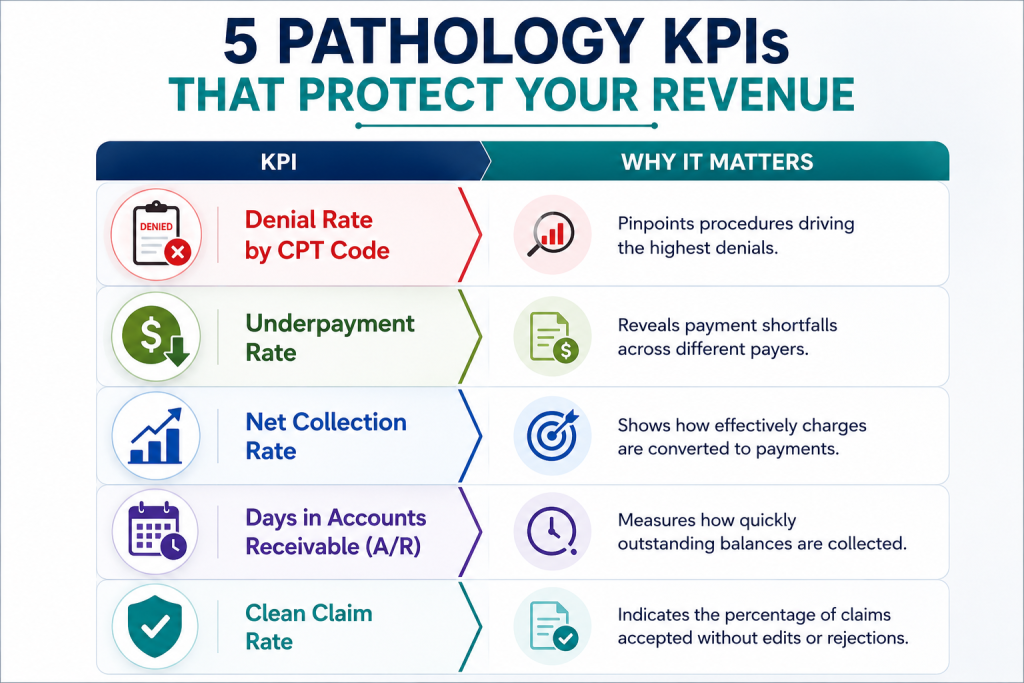
One in five defensible that same figure claims fails payer review. Spread across a busy ED, that is a recurring, shift-by-shift revenue loss that compounds quietly while the group focuses on throughput. The gap is visibility, and the gap is recoverable.
Most practice administrators lack the claim-level analytics to detect whether their that same figure denial rate sits at 15% or 25%. Without that baseline, the loss reads as background noise rather than a recoverable financial gap. The revenue is real. It is already embedded in the clinical encounter. It simply never makes it into the claim. iScribe Health's Real-Time Denial Alerts surface that signal before a claim is ever submitted, giving practices the visibility they need to get paid faster and stop treating preventable denials as an unavoidable cost of doing business.
3. Payer Audit Behavior - What Reviewers Flag Versus What Thin 99284 Charts Actually Show
Payer reviewers are not reading charts looking for effort. They are scanning for three specific MDM elements, and they downcode the moment one is absent or vague. Coding Clarified's that same figure analysis identifies template-driven and copy-forward documentation as a leading audit vulnerability: charts that read as boilerplate, with absent independent data interpretation or vague risk language, are routinely denied regardless of the actual complexity of the visit.
The data pillar is where most charts fail. Independent interpretation of a test requires the treating physician to document their own analysis of a result, not merely note that it was ordered or resulted. Ordering a CT and writing "CT obtained" does not earn data credit.
Writing "CT reviewed, findings consistent with early appendicitis, surgical consult placed based on my interpretation" does. That distinction is rarely taught explicitly, and it is almost never enforced at the point of charting. iScribe Health's Ambient Listening / Conversational AI captures the physician's spoken clinical reasoning in real time, so the interpretation that existed in the provider's mind during the encounter is encoded in the note rather than lost to documentation fatigue.
4. Inconsistent MDM Interpretation Across Providers - How Same-Patient Variation Creates Audit Exposure
Two physicians see clinically equivalent patients. One bills that same figure. The other bills that same figure. Neither is necessarily wrong about the patient's condition. The difference is what each captured in the chart. This is the intra-group variance problem, and it is a direct audit trigger.
Payers use statistical outlier analysis to flag ED groups whose coding distribution deviates from regional or specialty norms. A group where provider A codes that same figure at 60% of visits and provider B codes it at 35% of visits has a visible anomaly in its distribution, and that anomaly invites scrutiny. Most groups encounter this problem not proactively, but reactively, after an audit letter arrives. iScribe Health's E&M Coding Intelligence applies the same published AMA criteria consistently across every provider and every encounter, narrowing the intra-group variance that makes coding distributions look suspicious to payers.
5. Real-World Audit Data: 33% Overcoding Rate and Only 54.8% Provider-AI Agreement on 99284 Claims

The scale of the accuracy gap is documented. AAPC's published audit findings show an overcoding rate of approximately 33% in emergency department E/M coding, meaning roughly one in three claims billed at a higher level cannot be supported by the chart. Separate analyses of provider-to-AI coding agreement have found that agreement on E/M level selection falls well below what standardized criteria application would predict, a finding that holds even when the AI is applying the same published AMA criteria the provider is supposed to be using.
That 54.8% agreement rate is the clearest evidence that this is a capture failure. If providers understood the criteria but applied them inconsistently, agreement rates above 80% would follow. A rate below 55% means the clinical complexity present in the encounter is routinely not making it into the documentation in a form that supports the code. Most ED groups accept this as an unavoidable byproduct of shift-based charting.
iScribe Health's Automated E&M Coding works at the clinical capture layer in real time. At the point of note completion, after the AI drafts the encounter summary, the platform's E&M Coding Intelligence flags MDM deficiencies before a claim is ever submitted. For practices already running a supported EHR, this integrates seamlessly through iScribe Health's EHR Integration, requiring no workflow reconstruction to deliver accurate, compliant coding across high patient volumes.
Beyond denial reduction, the approach eliminates the post-visit documentation burden that drives physician burnout in high-volume settings. Clinicians spend fewer hours charting outside of patient care, and the clinical reasoning that justifies that same figure is captured the moment it occurs rather than reconstructed hours later from memory.
The denial patterns described here are predictable, measurable, and preventable before the claim ever leaves the ED. The next section shows exactly how automated E&M coding intervenes at the moment documentation is created, closing the revenue gap at its source rather than chasing it downstream.
How Automated E&M Coding Closes the 99284 Revenue Gap Before Claims Leave the ED
The real capture problem happens in the exam room, not the billing queue. Where a practice administrator focuses attention and budget should follow from that.

Why 99284 Revenue Losses Originate at Documentation, Not in the Coding Queue
The 20% denial and downcode rate on that same figure claims is a documentation problem. Because time-based coding is categorically prohibited in the ED and MDM is the sole pathway to a defensible claim, every missing element forfeits reimbursement that coders have no power to recover after the fact.
The principle is well established across the field: accurate and complete clinical documentation at the time of the encounter is the foundational requirement for correct E&M code assignment, and gaps in real-time documentation translate directly into downcoding and revenue leakage. Audits function as a detection tool rather than a prevention mechanism. No audit cycle recovers revenue from a chart that never captured the complexity to begin with.
Audited Coding Accuracy - What the Gap Between 55% and 95% Costs a Busy ED Across the Market
What most teams report from benchmarking methodology is that coding accuracy is a quantifiable, auditable metric. When automated E&M coding embeds MDM-relevant detail into the chart in real time, audited accuracy rates improve substantially compared to the status quo.
Uniform MDM Application Across Every Provider Every Encounter
Inconsistent MDM documentation across providers is the predictable result of leaving MDM interpretation to individual provider judgment under time pressure, and its effect on billing accuracy is cumulative and largely invisible until an audit surfaces it.
Standardizing coding criteria application across all encounters is widely recognized as the primary lever for sustained billing accuracy. Automated E&M coding addresses this by applying the same MDM criteria uniformly, at the point of care, on every encounter regardless of which provider is charting, eliminating the documentation shortcuts that time pressure creates.
The that same figure encounters are already happening on every shift. The only variable is whether the documentation captured them well enough to get paid at the level the clinical work actually warranted.
Related Reading
- Cpt Code 99386
- Cpt Code 99395
- Cpt Code 99385
- Cpt Code 99284
- Cpt Code 99396
- Cpt Code 99283
- CPT Code 99024
- Cpt Code 99499
Next steps
If your ED is routinely watching high-acuity visits pay at the 99283 level without a single denial to explain it, the path forward starts with capturing MDM reasoning at the point of care, before the physician leaves the room. Start with our AI medical scribe.
The 20 percent denial and downcode rate on 99284 claims traces directly to documentation-capture failure at the bedside, not coder error, which means no audit cycle or training investment can recover revenue from a chart that never recorded the complexity to begin with. The 2023 elimination of history and physical exam as level-determining elements compounded that gap silently, turning notes that appear thorough by old standards into systematic generators of defensible-looking but unsupportable 99284 claims. Together, these two realities point to one logical next step: moving documentation capture upstream, into the encounter itself, so that MDM-relevant clinical reasoning exists in the record before the claim is ever assembled.
Start with iScribe Health. The platform listens during the encounter, drafts a structured note with MDM elements already present at the point of completion, and applies automated E&M coding intelligence to flag any gaps before the claim leaves the department, so the contracted rate for 99284 is consistently earned rather than occasionally reached.
Frequently Asked Questions
Does it matter whether the patient is new or established when billing 99284?
No. CPT 99284 applies to both new and established patients, with no distinction made between the two, a meaningful difference from office-based E/M coding, where that distinction carries real weight.
Can a provider use total time spent with the patient to justify 99284 instead of MDM?
No. Time-based coding cannot determine ED E/M level; only medical decision making applies in the emergency department setting. An ED physician who spent 45 minutes with a complex patient but documented MDM too sparsely cannot recover the code on time grounds.
What's the difference between a 99283 and a 99284 when the chief complaint is the same?
The code level is not determined by what the patient walked in with but by what the provider documented about the decisions they made. For example, a dehydration visit managed with IV fluids and documented lab review supports 99284, while the same chief complaint managed with oral rehydration and no labs reviewed supports only 99283.
Does ordering a test count as independently interpreting it for MDM purposes?
No. The physician must document their independent interpretation of the test, not merely order it or acknowledge a result. A provider who writes 'reviewed labs' without specifying that they independently interpreted the ECG or CT findings loses that data-complexity credit entirely.
What happens if the documentation satisfies all three MDM pillars but the claim still gets denied?
A properly documented 99284-level visit can still be rejected because BCBS's automated EMRC flag system downcodes E&M claims based solely on diagnostic information, bypassing MDM documentation criteria entirely. This means defensible documentation is necessary but no longer sufficient on its own, the chart must be airtight so that when a denial does land, the appeal is unambiguous.