Surgery Center EMR Software Built for Faster, Simpler Care
Surgery center EMR built for ASCs helps billing decision-makers close coding gaps and recover reimbursement faster.


ASC EMR is not a hospital system scaled down. The features that protect revenue in a high-volume surgery center are built around a logic most general platforms were never designed to serve.
Surgery centers are not small hospitals. They are not large clinics. They are the product of a structural shift of complex procedures out of inpatient settings entirely.
That shift created a care-delivery category with its own operational logic, its own regulatory stack, and its own documentation demands. The common assumption among practice administrators and billing decision-makers is that if they upgrade to a more capable ASC EMR with better billing dashboards and integrated coding tools, their reimbursement problems will resolve because the software will catch what they are missing. For surgical specialty teams evaluating technology, including those exploring surgical-grade AI documentation tools, understanding that category distinction is the prerequisite for every other evaluation decision.

"ASC staff (nurses and doctors) report spending hours checking boxes after adopting HST Pathways EMR, indicating that generic or hospital-grade EMR systems are not optimized for the fast-paced, high-volume workflow unique to ASCs."
— what we hear from ambulatory surgery center administrators
USD 45.79 billion
U.S. ASC market size in 2026
ASC EMR software differs fundamentally from standard outpatient clinic EMRs because it is built around a fixed, time-compressed clinical sequence: pre-op assessment, intraoperative documentation, and PACU handoff, all within a single same-day encounter.
That sequence is a feature you cannot configure into a general-purpose platform. It is the structural backbone the entire system is engineered around.
A high-volume orthopedic ASC running 40 cases per day needs real-time OR tracking, per-surgeon preference cards, and rapid-entry nursing interfaces that move as fast as the room turns over. Staff at centers that have adopted hospital-grade systems report spending hours checking boxes on screens designed for multi-day inpatient stays, not 45-minute surgical episodes. The mismatch is architectural, not cosmetic. No configuration closes it.
ASCs face a compliance burden that is categorically different from hospitals or primary care clinics. CMS Conditions for Coverage and the Ambulatory Surgical Center Quality Reporting program impose specific quality measure submissions and documentation standards that general-purpose EHR platforms were never built to satisfy. Without compliance infrastructure built into the platform's core, surgery centers assemble manual workarounds that create audit exposure and documentation inconsistencies that erode revenue integrity over time.
Most ASC administrators focus their EMR evaluation on the perioperative workflow shell and assume the documentation layer inside that shell will handle itself. It won't. Establishing that ASC EMR is its own category is only the starting point. The more consequential question is which capabilities inside that category actually move the revenue needle for a high-volume surgical facility.
Key takeaways
- Surgery centers are not scaled-down hospitals, they operate under a distinct regulatory stack, specialty-specific throughput logic, and documentation demands that generic EMR platforms were never designed to meet.
- The U.S. ambulatory surgical center market hit USD 45.79 billion in 2026 and is growing at a 4.61% CAGR, driven by complex procedures moving out of inpatient settings, and most EMR software hasn't caught up to that shift.
- Claim denials inside ASCs rarely trace back to a broken billing engine; they trace back to documentation deficiencies that happened before a claim was ever built.
- Choosing an EMR based on scheduling boards and billing dashboards is the right starting point, but the documentation-to-coding pipeline, the layer that determines whether clinical complexity captured in the OR survives into a defensible submitted claim, almost never appears on a standard evaluation checklist.
- Single-specialty independent centers and health-system-affiliated ASCs face different workflow demands, different integration footprints, and different vendor fits, treating them as identical during an EMR evaluation costs real money.
- iScribe Health's E&M Coding Intelligence closes the gap most ASC EMRs leave open by generating AI-powered coding recommendations from the complete clinical narrative captured at the point of care, not just the finalized note, so documented complexity actually reaches the submitted claim.
Core ASC EMR Features That Actually Drive Revenue and Throughput
Core ASC EMR features that actually drive revenue and throughput share one trait: they eliminate friction at the exact moment a case moves from one phase to the next. A longer feature list doesn't guarantee that. The features that matter are the ones that connect a clinical event to a financial outcome in real time.
CMS and ASCQR Reporting - What Native Compliance Modules Actually Handle
The administrative cost of manual reporting is real, absorbed across nursing and administrative staff who could otherwise support case throughput. The honest constraint: native reporting is only as accurate as the underlying structured data. Centers with inconsistent documentation practices still face manual correction work even with a capable reporting module, because the system reports what was documented, not what actually occurred clinically.
1. Real-Time Patient Tracking Boards Across Pre-Op, OR, PACU, and Waiting Rooms

Live status boards give every staff member, from front desk to circulating nurse, a unified view of where each patient stands in the surgical journey. This visibility directly compresses room turnover time and enables schedulers to add cases when slots open unexpectedly. The tradeoff: centers with older infrastructure may face integration costs to connect tracking boards with existing scheduling and EMR data feeds.
2. Specialized Anesthesia and Nursing Charting with Rapid-Entry Interfaces

ASC-specific EMR platforms built for surgical throughput offer anesthesia flowsheets and nursing documentation designed for one-click or voice-entry completion during fast case turnovers, not adapted from slower hospital workflows. This matters most in high-volume orthopedic, ophthalmology, and GI centers where charting delays cascade into schedule overruns. The limitation: highly customized rapid-entry templates require upfront configuration time during implementation.
3. Inventory and Implant Tracking Linked to Billing and Supply Chain
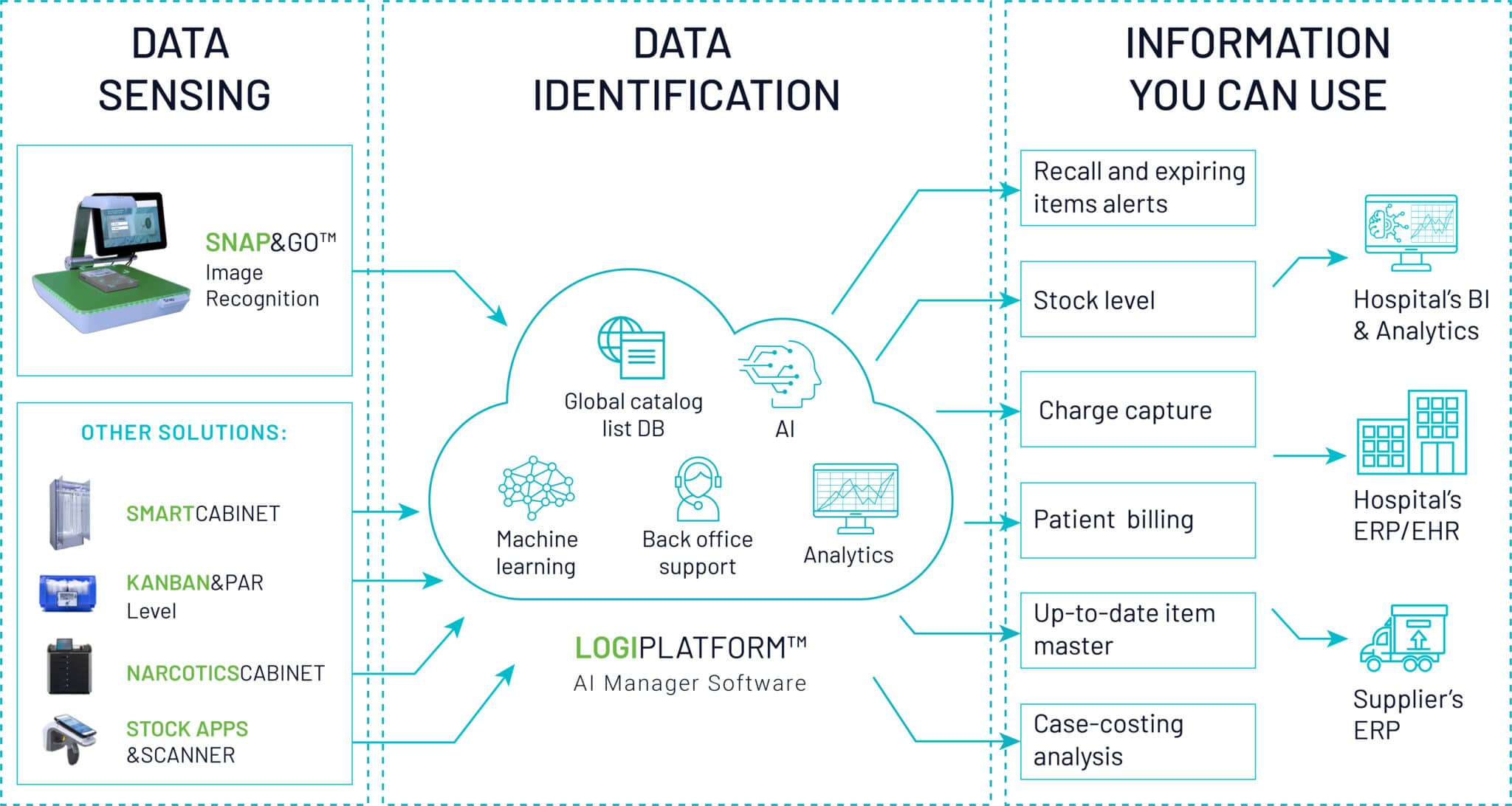
Missed implant charges are among the most common and costly revenue leakage points in ASC billing. A surgery center EMR that ties implant lot tracking directly to charge capture and purchase order reconciliation closes this gap automatically at the point of care. Centers running high implant volumes, spine, joint, cardiac, see the clearest ROI. The tradeoff is that supply chain integration requires vendor data feeds that not all distributors support natively.
4. Interoperability and Pre-Op Patient Engagement Tools for Digital Intake and Reduced Cancellations
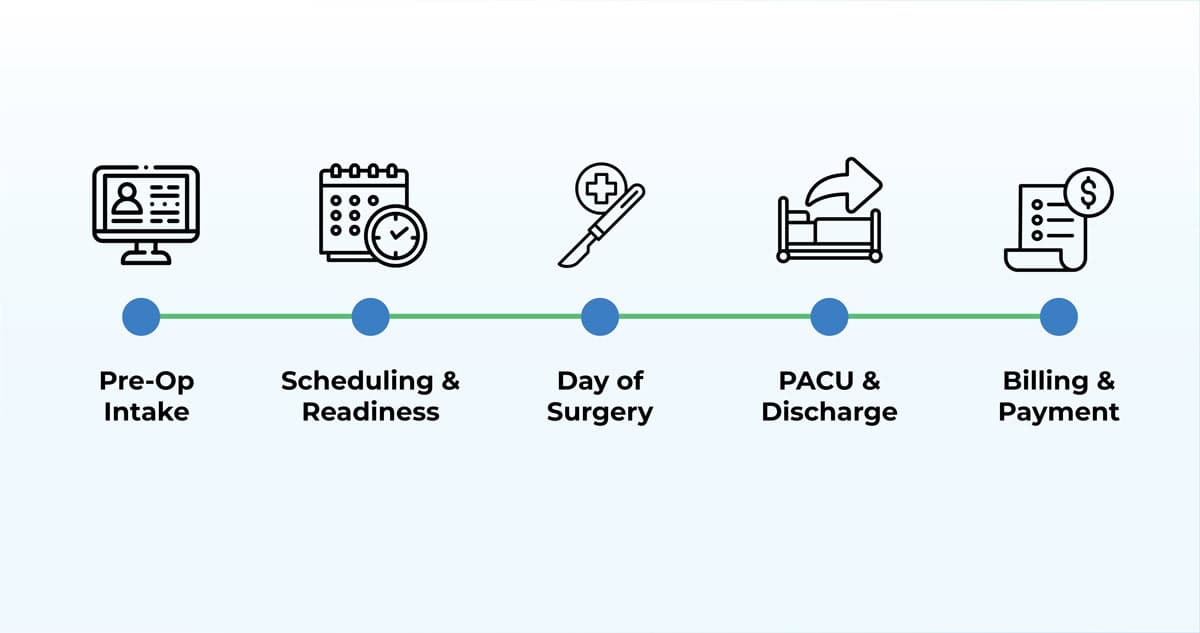
Surgery center EMRs with built-in patient engagement modules allow centers to send automated pre-op instructions, collect digital intake forms, and verify insurance eligibility days before the procedure date. This directly reduces day-of cancellations caused by incomplete prep or missing authorizations, a significant throughput killer. The limitation: patient adoption of digital intake varies by demographic, requiring centers to maintain parallel paper workflows for some populations.
5. Surgeon Preference Cards as a Built-In Workflow Efficiency Feature

Surgeon preference cards embedded in the surgery center EMR allow scrub techs and circulating nurses to pull exact instrument, supply, and positioning requirements for each surgeon-procedure combination before the case begins. This feature is largely unique to ASC-focused platforms and directly reduces setup time and supply waste. The tradeoff: preference cards require ongoing maintenance as surgeon preferences evolve, and outdated cards can create supply errors if not governed properly.
6. Regulatory Reporting Capabilities for CMS, ASCQR, and State Compliance Requirements

ASCs face mandatory quality reporting under the CMS Ambulatory Surgical Center Quality Reporting (ASCQR) program, plus state-specific licensure data submissions. A surgery center EMR with native regulatory reporting modules automates measure calculation and submission, reducing the administrative burden on clinical staff. This is a compliance necessity, not a differentiator, centers without it face manual abstraction costs and audit risk. The limitation: reporting logic must be updated with each annual CMS rule change, requiring vendor responsiveness.
7. Patient Portal Designed Specifically for Surgical Center Workflows

Unlike general-purpose patient portals, a surgical-center-specific portal surfaces procedure-relevant content: pre-op checklists, anesthesia consent forms, post-op care instructions, and follow-up scheduling, all tied to the surgical episode rather than an ongoing care relationship. This reduces inbound call volume and improves compliance with pre-surgical preparation protocols. The tradeoff: portal engagement requires patient activation, and centers must invest in outreach workflows to drive adoption beyond the technically comfortable patient segment.
Leading Surgery Center EMR Vendors and Where Each One Wins
Not every surgery center EMR vendor wins on the same terms, and the platform that earns the highest aggregate rating from a research firm may be a poor fit for a single-specialty independent center with lean staff and a focused case mix. The vendors below each hold a genuine advantage in a specific operating context, whether that is enterprise scale, multi-site coordination, or something else entirely. Matching your facility's actual profile to the right platform is where the real efficiency and coding accuracy gains begin.
Rewritten Section
KLAS Research's peer-review methodology scores vendors across every customer type they serve, which means a platform that earns the highest aggregate rating may be precisely wrong for a single-specialty independent center. The real question is not who scored highest, but which platform was built for a facility that looks like yours.
1. Surgical Information Systems (SIS) - Best for Enterprise-Scale ASCs
KLAS Research 2026 Best in KLAS named Surgical Information Systems the top-rated ASC solution with an 87.0 overall performance score in its Best in KLAS rankings for ASC Solutions, reflecting peer reviews from clinical and operational users across large, multi-facility environments. That score reflects genuine strength in enterprise perioperative workflow, reporting depth, and operational scale. The honest tradeoff: independent single-specialty centers often find the implementation footprint and configuration overhead sized for an operation larger than theirs.
87.0
SIS top KLAS ASC performance score
2. HST Pathways - Best for Multi-Site ASC Operators
HST Pathways built its platform through deliberate acquisition, creating a unified solution spanning scheduling, clinical documentation, and billing across multiple sites. For a group operating three or more ASC locations that needs consistent workflows and centralized reporting without stitching together separate vendors, HST's integrated architecture removes a real coordination burden. The limitation is depth in single-specialty clinical documentation, where purpose-built specialty platforms carry a meaningful edge.
3. ModMed - Best for Specialty-Focused Centers in GI, Ophthalmology, and Orthopedics
The strongest argument for ModMed is ecosystem continuity. A GI center already running ModMed for its physician practice gains the clearest integration path by staying in the ModMed environment rather than adding a third-party ASC platform that must be reconciled against an existing practice EMR. ModMed's specialty-specific templates and workflow logic reflect how these procedures actually move, a distinction that matters most for GI and ophthalmology centers where KLAS peer reviews consistently cite specialty-workflow fit as a primary selection driver over general perioperative platforms. The tradeoff is limited flexibility for centers with mixed or evolving specialty case mixes.
4. Provation Apex - Best for Procedural Documentation and Automated Coding
Provation Apex is purpose-built around procedural documentation and clinical decision support, with automated CPT and ICD-10 coding that pulls from structured procedure documentation rather than relying on a coder to interpret a free-text note after the fact. For high-volume GI and pulmonology centers where documentation speed and coding precision are directly tied to throughput, that architecture matters. The gap worth naming: automated coding still depends entirely on what the physician documented in the first place. Thin procedure notes produce thin coding inputs, regardless of how capable the engine is.
5. eClinicalWorks - Best for ASCs Prioritizing Deep Practice Management Integration
The tradeoff is that eClinicalWorks was not architected around perioperative workflows, and centers with high surgical volume or complex case mixes frequently find the clinical documentation layer less precise than ASC-native competitors.
The Variable Every Vendor Ranking Misses
Here is the synthesis that vendor comparison guides rarely make explicit: vendor selection decisions that hinge on KLAS performance scores and platform breadth are evaluating the wrong variable when reimbursement leakage is the problem. Missing or incomplete procedure documentation is a primary driver of claim denials regardless of billing platform sophistication. A facility with weak documentation practices will produce the same denial patterns on a best-in-class EMR as it did on its legacy system, meaning the EMR ranking answers which platform processes claims most efficiently, but the operative question for a revenue-leaking ASC is how much of what actually happened in the OR ever reached the note in codeable form.
vendor selection decisions that hinge on KLAS performance scores and platform breadth are evaluating the wrong variable when reimbursement leakage is the problem.
Surgical Information Systems earning an 87.0 KLAS score still processes whatever clinical narrative the provider submits. A facility where physicians reconstruct operative notes hours after the case ends, a pattern that is especially acute in high-volume practices where clinicians regularly spend two or more hours charting outside of direct patient care time, will generate the same denial patterns on a best-in-class platform as it did on its legacy system. Most ASC billing teams handle this by investing in coding staff or scrubbing tools downstream, which addresses the symptom rather than the source.
The documentation gap opens at the point of care, not at the billing workstation. The Ambient Listening and Conversational AI layer captures the full clinical narrative in real time, so the note is built from what was actually said and done in the encounter, not reconstructed from memory afterward. At the point of note completion, iScribe's Automated E&M Coding engine drafts the encounter summary and applies coding logic before the claim is ever assembled, giving the coding layer feeding whichever EMR your facility selects a complete record rather than a thinned-out summary. Real-Time Denial Alerts then surface discrepancies immediately rather than after a payer has already rejected the claim.
This workflow matters most in environments where iScribe Health is most impactful by design: high-volume practices or health systems where clinicians are regularly losing two or more hours per day to charting, and where the practice or health system is already running a supported EHR and wants a seamless ambient documentation experience through EHR Integration. The downstream effect on Physician Burnout Reduction compounds over time precisely because the documentation burden is removed at the source rather than shifted to a downstream team.
Improving coding consistency starts with standardizing what gets documented before the claim is ever assembled. Knowing which vendors lead the market is only half the equation. The other half is knowing which one was built for a facility with your case mix, your site count, and your specialty focus, and ensuring that whichever platform you select is fed a complete, real-time clinical record from day one. The next section converts this vendor landscape into a concrete decision framework anchored to exactly those variables.
Related Reading
- Orthopedic Surgery Billing
- Orthopedic Billing And Coding
How to Choose the Right ASC EMR Based on Facility Type and Specialty

Case Mix First - How Single-Specialty vs. Multi-Specialty Centers Should Prioritize Differently
For a single-specialty orthopedic ASC running 30 or more cases per week, surgeon preference card sophistication and implant tracking depth matter far more than scheduling breadth. That is where ambient AI documentation changes the calculus. iScribe Health's ambient listening and conversational AI captures the encounter in real time, then drafts a complete encounter summary at the point of note completion, before the claim is built, before the coder touches the record.
Integration Footprint Determines Real Switching Cost
The licensing fee is rarely where the pain lives. The true total cost of switching or adding an ASC EMR is driven by the existing integration footprint: your practice-side EMR, your billing vendor relationships, and your anesthesia documentation system. This is also where documentation intelligence compounds its value. iScribe Health's EHR integration is designed to materialize within a supported EHR environment, not beside it, which means the ambient documentation layer does not add a new integration point to an already complex footprint.
Cloud-Native vs. Server-Based Deployment for Independent ASCs
Across the market, cloud-native platforms have become the primary consideration for independent centers precisely because they eliminate on-site IT overhead and support remote administrator access without requiring dedicated infrastructure staff.
The ASC Billing Integration Problem No EMR Feature List Solves
The common assumption among practice administrators and billing decision-makers is that if they upgrade to a more capable ASC EMR with better billing dashboards and integrated coding tools, their reimbursement problems will resolve because the software will catch what they're missing. Across the market, missing or incomplete procedure documentation is a primary driver of claim denials and reimbursement delays in ASC settings, because payers reject claims that lack sufficient clinical justification regardless of how sophisticated the billing platform is.

Why a Billing Integration Cannot Fix a Documentation Gap It Never Sees
Coding can only be as accurate as the clinical documentation it is based on, and deficiencies in the source note directly produce claim errors and denials.
iScribe Health's ambient AI documentation addresses this at the only moment it can actually be addressed: the point of care. Rather than requiring physicians and clinical staff to return to a structured EMR interface after the case, iScribe Health's ambient listening and conversational AI captures the full clinical encounter as it unfolds, then drafts the encounter summary automatically, so the billing workflow receives a complete and clinically grounded source document.
The Upstream Moment Where ASC Revenue Is Actually Won or Lost
iScribe Health's E&M Coding Intelligence and Automated E&M Coding capabilities operate at note completion, precisely when the AI-drafted encounter summary is finalized, so the coding layer has a complexity-rich source document to work from rather than a stripped-down narrative.
Inconsistent Surgical Documentation and the Compliance Exposure No Billing Dashboard Surfaces
Inconsistent documentation practices are widely recognized as a source of compliance and audit exposure that billing dashboards cannot retroactively resolve, because the compliance gap exists at the point of clinical documentation, upstream of any billing workflow.
iScribe Health's AI Customization capabilities allow the ambient documentation model to be calibrated to the specific clinical and documentation standards of an ASC, which means the narrative structure the AI captures and drafts can reflect the level of specificity the practice needs, consistently, across every provider who uses it. Closing that gap at the source is what determines whether a claim is defensible before it ever reaches a payer, and the next section quantifies exactly what that gap costs, encounter by encounter, using real orthopedic surgical data.
E&M Coding Intelligence - The ASC Revenue Lever Hidden Above the Billing Layer
The documentation layer is where ASC revenue integrity is won or lost, and most facilities have no real-time visibility into it.

The 941-Encounter Orthopedic Trial That Exposed a Silent Overcoding Crisis
At Center for Sports Medicine & Orthopaedics, Chattanooga, iScribe Health's ambient AI analysis of that same figure encounters found that 33% of cases were overcoded. Industry data identifies overcoding in orthopedic and pain management specialties as a systemic revenue integrity failure that standard billing workflows do not catch proactively.
In high-volume practices and health systems where clinicians routinely chart two or more hours outside of patient care time, the documentation pressure is constant and the margin for missed clinical detail is enormous. iScribe Health's Automated E&M Coding is designed specifically for that environment, improving coding consistency across providers encounter after encounter, not just correcting the occasional outlier.
Why a 54.8% Provider-AI Agreement Rate Is a Documentation Problem, Not a Coding Problem
If the documentation omitted a complexity indicator, a modifier-justifying detail, or a procedure element that occurred in the room, the provider's post-case code selection and the AI's recommendation are both working from different reconstructions of the same event. The gap is not effort. No coding engine, human or AI, can assign a code the source documentation does not support.
iScribe Health's E&M Coding Intelligence addresses this directly by evaluating the completed note at the point of note completion, after the AI drafts the encounter summary, so the coding review is grounded in a documentation layer that was captured in real time, not reconstructed from memory.
What Ambient AI Captures That Post-Case Charting Systematically Leaves Out
Details that justify higher E&M levels, intraoperative decision points, patient-specific risk factors addressed during the case, or additional complexity managed in real time are the first things lost in that compression. iScribe Health's Ambient Listening and Conversational AI captures the clinical narrative as it unfolds, feeding its E&M Coding Intelligence inputs that reflect what actually happened rather than what a provider recalled twenty minutes later.
Because iScribe Health materializes through EHR Integration with supported electronic health records, the ambient documentation experience fits into existing clinical infrastructure rather than requiring a parallel workflow. Together, these capabilities form a connected chain across three critical functions:
- Ambient capture: what gets documented
- Automated E&M coding: how it gets coded
- Denial alerting: whether a problem is caught before the claim ships
Related Reading
- Medical Scribe Cost
What Surgery Centers Should Demand from Their EMR Ecosystem Before Signing
Most ASC administrators build their EMR evaluation checklist around what they can see in a demo: scheduling boards, billing dashboards, clearinghouse connections. Those features matter. But the documentation-to-coding pipeline, the layer that determines whether clinical complexity captured in the operating room actually survives into a defensible submitted claim, almost never appears on a standard vendor evaluation script. That gap is where audit exposure originates and where chronic undercoding quietly compounds.
As industry research has noted, successful defense of Medicare RAC audits depends on the quality and completeness of underlying clinical documentation, not on the coding or billing software used. A billing dashboard cannot compensate for a documentation layer that strips clinical narrative complexity before the claim is ever built.
Most ASC buyers handle this by trusting that an integrated coding engine will catch what the note misses. It cannot. The coding engine codes from what it receives; if the note was reconstructed from memory two hours after the case closed, the engine processes an incomplete input. That is not a software failure. It is an input failure, and no EMR feature upgrade addresses it.
iScribe Health's E&M Coding Intelligence is built specifically for this gap: ambient AI captures the full encounter narrative at the point of care, and that complete clinical context feeds coding recommendations directly, producing a traceable audit trail the EMR's billing engine alone was never designed to generate.
One honest trade-off: ambient AI documentation requires a provider adoption period. Centers with high surgeon turnover or limited implementation support may see slower returns while charting habits adjust.
The checklist above tells you what to demand from any vendor. The next section shows what it looks like when a platform is actually built to deliver it, and what changes for your revenue cycle when the documentation gap is closed before the first claim is ever submitted.
ASC EMR Pre-Signature Evaluation Checklist
Before signing with any ASC EMR vendor, verify each item below:
- 1. Perioperative workflow fit → What to Ask: Does the platform support native pre-op → OR → PACU sequencing, or is it a configured general EMR?
- 2. Specialty template depth → What to Ask: Are procedure templates built for your case mix (GI, ortho, ophthalmology), or are they generic?
- 3. Implant/inventory-to-billing linkage → What to Ask: Does implant capture feed charge capture automatically, or require manual reconciliation?
- 4. ASCQR reporting module → What to Ask: Does the module pull structured data natively, or require manual abstraction?
- 5. Integration footprint audit → What to Ask: Will the platform preserve existing data feeds to your billing vendor, anesthesia system, and practice EMR?
- 6. Documentation-to-coding pipeline → What to Ask: How does the platform ensure point-of-care narrative completeness before claim assembly?
- 7. Cloud vs. server deployment → What to Ask: Does cloud-native deployment match your connectivity and data-residency constraints?
- 8. Ambient AI compatibility → What to Ask: Can the platform accept ambient AI documentation inputs (e.g., iScribe Health) without a custom integration?
Add this checklist to your demo script. Items 6 and 8 are the ones most vendors will not raise unprompted.
1. Perioperative Workflow Coverage Is Table Stakes - The Documentation-to-Coding Pipeline Is Where Revenue Lives

Every credible surgery center EMR handles scheduling, perioperative charting, and billing integration, but buyers who stop evaluating there are leaving money on the table. The real question is whether the clinical narrative captured at the point of care is rich enough to support the complexity of codes being submitted. ASCs that skip this evaluation routinely discover audit exposure only after a RAC review.
2. Demand Proof That the Coding Engine Reads the Full Encounter Narrative - Not Just the Finalized Note
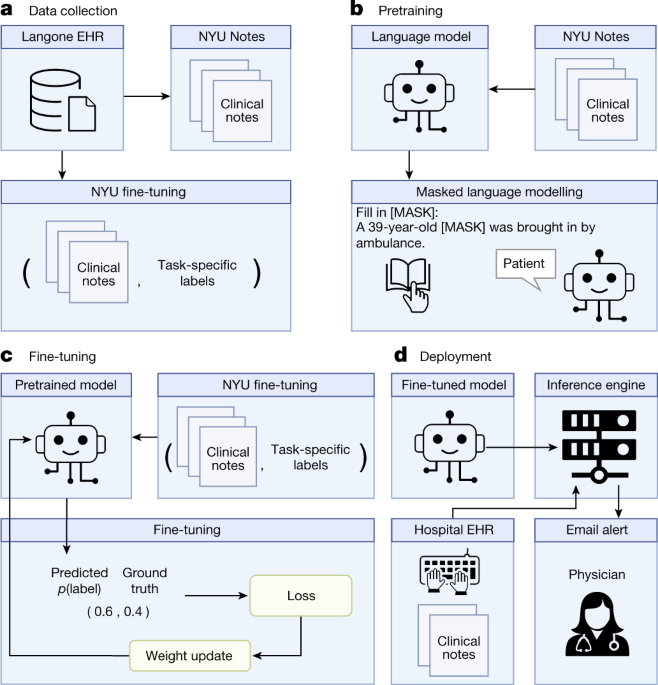
Many surgery center EMR coding engines pull from the finalized, signed note, a sanitized summary that strips out the clinical reasoning complexity that justifies higher E&M levels. Buyers must ask vendors specifically whether their coding logic ingests the full encounter narrative, including real-time documentation, addenda, and provider reasoning. The tradeoff: vendors who support full-narrative coding require more structured documentation discipline from clinical staff.
3. Ask Vendors Directly - Does Your Platform Support Ambient AI Documentation at the Point of Care?
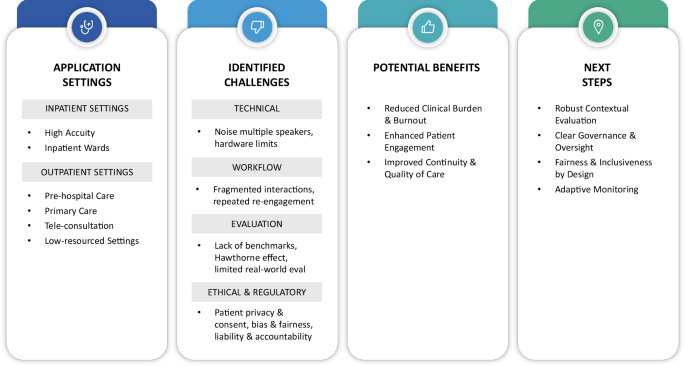
Ambient AI documentation captures the clinical encounter as it unfolds, producing richer, more defensible notes than retrospective charting. For surgery centers, this matters because the narrative complexity recorded in real time is what feeds downstream coding accuracy. Buyers should require a live demo of ambient AI integration, not a roadmap promise. The limitation: ambient AI tools require workflow adoption investment and may face resistance from surgeons accustomed to traditional charting.
4. The Demo Gap - Most Surgery Center EMR Evaluations Never Surface the Documentation-to-Coding Audit Trail
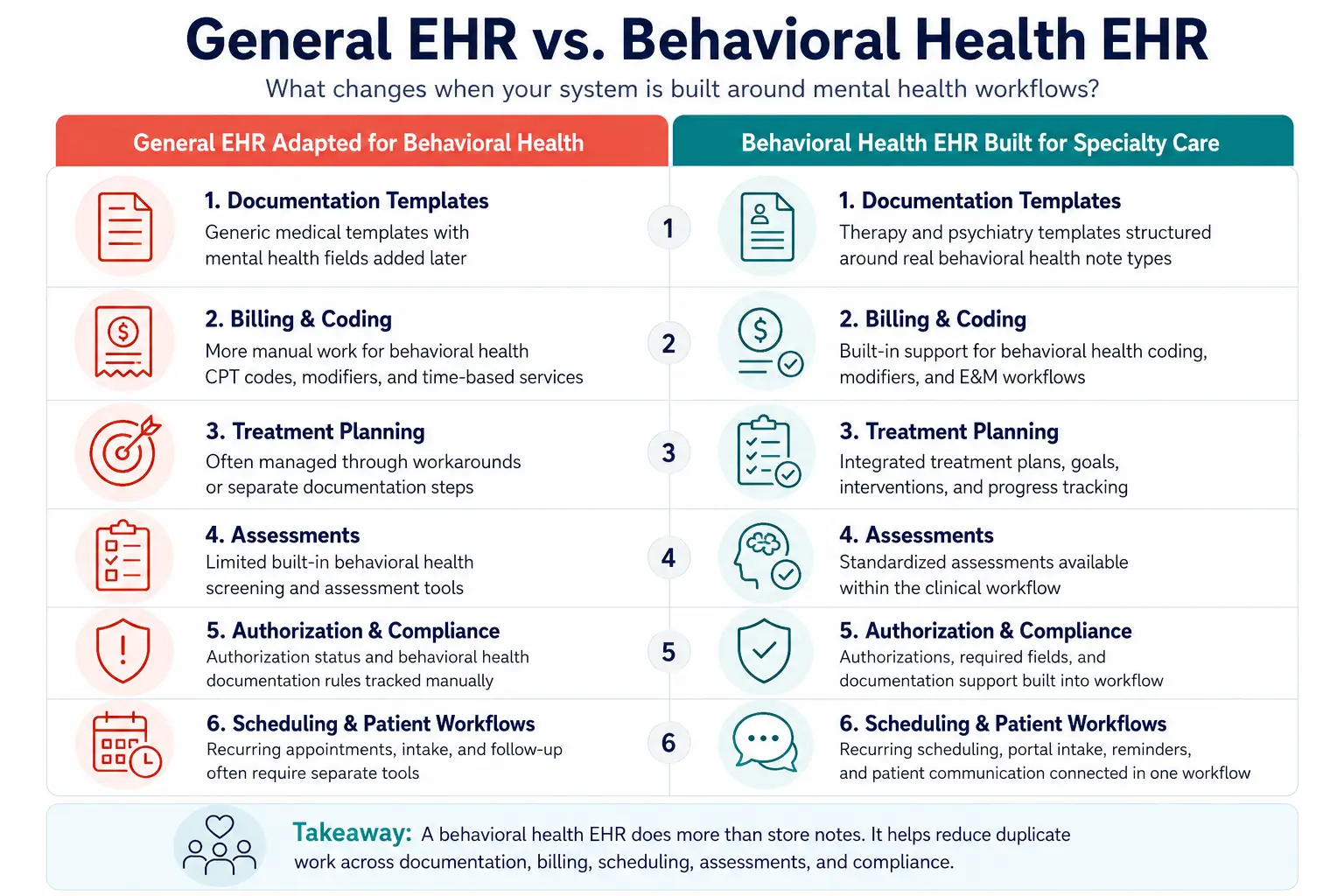
Standard ASC EMR demos showcase scheduling efficiency, OR board views, and billing dashboards, the features that impress administrators. The documentation-to-coding pipeline, where audit exposure and revenue leakage actually originate, is almost never demonstrated unless buyers explicitly demand it. Surgery centers should require vendors to walk through a complete encounter: from ambient capture through note finalization to code recommendation, showing exactly what clinical data the coding engine consumed.
5. E&M Level Recommendations Must Be Traceable Back to Clinical Narrative Complexity - Demand the Audit Log
With 2021 and 2023 E&M guideline changes shifting weight toward medical decision-making complexity, the surgery center EMR's coding engine must demonstrate that its level recommendations are grounded in documented clinical reasoning, not templated defaults. Buyers should ask vendors to produce an audit log showing which specific narrative elements drove each E&M recommendation. The tradeoff: systems with full traceability require more rigorous documentation governance but dramatically reduce downcode and clawback risk.
Next steps
If your surgery center is still seeing persistent denials and reimbursement delays after evaluating every EMR feature on the comparison matrix, the path forward starts with recognizing that billing dashboards and integrated coding tools can only surface revenue the clinical documentation layer has already preserved. Vendor selection decisions that hinge on KLAS scores and platform breadth are evaluating the wrong variable when the source problem is a documentation gap that opens the moment a provider leaves the operating room.
The 941-encounter orthopedic trial at Center for Sports Medicine & Orthopaedics, Chattanooga revealed that 33% of cases were overcoded and provider-AI code agreement reached only 54.8%, yet the facility's existing EMR had surfaced none of it. That means the billing integration was processing every claim cleanly while working from an incomplete input. Separately, the expansion of reimbursable ASC procedure categories under CMS fee schedule updates does not increase actual revenue; it increases the revenue that is theoretically available if documentation accurately reflects clinical complexity at the point of care. Both findings point to the same corrective action: close the documentation gap before the claim is built, not after it is denied.
Start with Best AI medical scribe for urology practices to see how ambient AI captures the full clinical narrative in real time, drafts the encounter summary, and applies automated E&M coding before a single claim is assembled. From there, the coding layer feeding your existing EMR works from a complete record rather than a post-case reconstruction, and the revenue your documentation was already leaving on the table becomes recoverable.
Frequently Asked Questions
What makes an ASC EMR different from the EMR my clinic already uses?
ASC EMR software is engineered around a fixed, time-compressed clinical sequence, pre-op assessment, intraoperative documentation, and PACU handoff, all within a single same-day encounter. A general-purpose outpatient clinic EMR is not built around that structure, so the mismatch is architectural, not cosmetic, and no amount of configuration closes it.
If we upgrade to an ASC EMR with better billing dashboards, will our reimbursement problems go away?
Not automatically. The coding engine works from what the clinical note actually contains, so if documentation is rushed or completed hours after the case, the charge capture module is processing an incomplete record rather than a missing one. Better billing dashboards don't fix thin documentation, that gap has to be closed at the point of care.
Does automating insurance verification before surgery actually reduce day-of cancellations?
Yes. Digital intake, automated pre-op instructions, and eligibility verification sent before the day of surgery directly reduce cancellations caused by incomplete patient preparation or unresolved insurance issues, and COVIDSurg Collaborative research confirms that structured patient engagement strategies are essential to protecting surgical volume.
Why do surgeon preference cards matter for revenue, and what's the catch?
When preference cards are linked to the scheduling workflow, the supply team can pull and confirm the correct equipment before the patient enters the OR, cutting setup time and reducing last-minute substitutions that slow room turnover. The catch is maintenance burden: the efficiency gain erodes within months of go-live if no one owns the process of keeping cards current as surgeons change technique or add new implants.
Will a native ASCQR reporting module eliminate our manual compliance work?
It reduces it significantly, but doesn't eliminate it entirely. Native reporting modules pull quality measure data directly from structured clinical documentation, cutting manual abstraction hours, but the system reports only what was documented, not what actually occurred clinically, so centers with inconsistent documentation practices still face manual correction work even with a capable reporting module.